If you’re thinking about starting a new life in Europe, you’re going to need all the correct paperwork. That means a visa that’s going to allow you to work and earn money while you’re there. The process can be tricky and confusing, so here’s how to get a work visa for Europe!
Let’s dive in and find out more.
Who Needs a Work Visa for Europe?
Not everyone needs a work visa in Europe. If you want to live and work in a European country that’s part of the European Union (EU), and you’re a citizen of another EU nation, then you’re not going to need a work visa. This is one of the main perks of being in the EU.
You may also not need a work visa if you’re eligible for any other kind of visa in your new country, including spousal visas, student visas, investor visas, and many more.
Is There a European Work Visa?
No, there is no formal European work visa. Many people think that there’s a version of the Schengen tourist visa that you can use in all 27 Schengen nations to work, but that doesn’t exist.
To live and work in one of the Schengen countries, you need to apply for a formal National (D) Visa or other work-based visa to stay on a long-term basis.
What Different Kinds of Work Visas Are There?
Honestly, there are so many different kinds of work visas depending on the country you’re applying in. Some offer more opportunities to expats than others. Here are a few of the different kinds of work visas you’re likely to find across Europe.
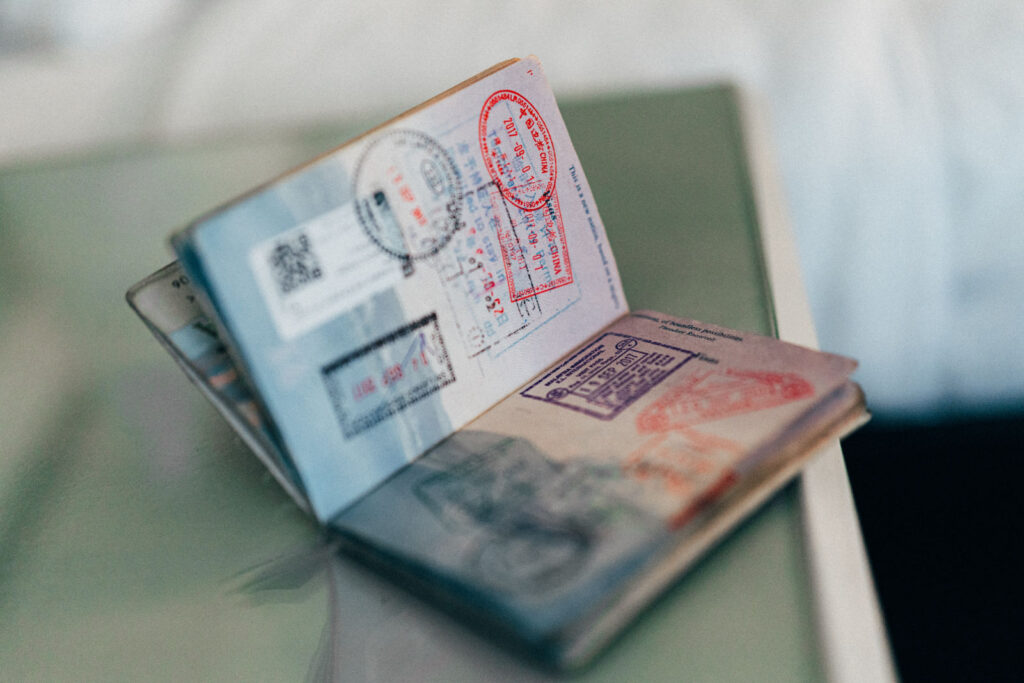
Of course, double-check with the individual country’s government website to see which ones are available in your new home!
Sponsored Work Visa
So, this is the classic work visa that you’ll find in most countries around the world. This is when you get a job offer from a company in your new home country, and they’re willing to sponsor you in the eyes of the government.
Essentially, this means that they’re vouching for you and saying that you have secure employment and won’t become a strain on the country.
It’s worth mentioning that not every company will want to sponsor applicants, as it can cost around $1000 for the first year and $500 for the following years (based on the current UK figures).
You can negotiate this amount to come out of your remuneration package if they’re not offering, but it’s always worth checking in advance if sponsorship is something they’re open to. You don’t want to waste your time!
Also, if you leave your sponsored job, you need to find another company that’s willing to take over the sponsorship so you can stay and work in the country legally.
Graduate Visa
If you’ve been a student in another country, you might be able to switch to a graduate visa that tends to last between 12 months and two years. This gives you time to find a graduate job in that country or allows you to find a company that’s willing to sponsor your continued stay in the country.
Basically, it gives you some breathing time post-graduation to figure out what you want to do and where you want to live and work moving forward.
Self-employed Visa
Work for yourself as a self-employed person or freelancer? Well then, you don’t need to hunt for sponsored visas, but you do need to provide a whole host of business paperwork to prove that you’re not going to be a financial burden on your new homeland.
Most of the paperwork and accounts are going to be similar to what you’d submit for your tax returns, but essentially, it’s the government assessing whether you’re going to be an asset to the country or not.
Digital Nomad Visa
Now, you’ve probably heard all about digital nomad visas, but if you haven’t, many countries have announced visas that allow remote workers or freelancers to live and work in their countries for around a year on average.
Some countries have longer allowances, but a year seems to be the standard.
You will have to meet a monthly minimum income requirement that varies depending on the country. Normally, it’s around two to three times the national cost of living.
So, it’s better to go somewhere with a low cost of living while retaining a wage from a country with a high cost of living, like the US or UK.
Job-seeker Visa
Some countries offer dedicated job-seeker visas, which are really similar to graduate visas, just without having to study in the country for a few years beforehand. These normally last up to six months and give you an opportunity to find a job while you’re actually in the country.
Some people will use their 90-day Schengen allowance to do this, but with the slow-moving recruitment and visa processes in some countries, that might be cutting it close!
Internal Transfer Visa
If you work for an international corporation with offices all around the world and you essentially just want to move locations, some European countries have special visas for these cases.
As you’re remaining in the same job that you’re already in and the company is willing to transfer you, it’s like they’re vouching for you anyway.
Specialist Worker Visas
There are some countries that have a list of industries or job roles that they desperately need more of. On the whole, they normally include healthcare professionals, engineers, researchers, and professions like that. These lists are always being updated, and they’re actually huge.
If you can apply for a Specialist Worker Visa or similar, this is often a much simpler process and can even be processed a lot quicker because of the demand for that job role.
Where Do You Apply for a Work Visa in Europe?
So, normally, you need to apply for a work visa in your country of residence before you head out to Europe. This will either be through a consulate, embassy, or visa application center, depending on the country you’re applying to.
What Paperwork Do You Need for a Work Visa in Europe?
The exact paperwork does vary depending on the specific work visa and the country that you’re applying to, but the standard paperwork is going to be:

- Two copies of the completed and signed application form.
- Two identical passport photos, taken within the last three months.
- Valid passport.
- Valid travel medical insurance that’s compliant with your intended country.
- Proof of Accommodation. This can either be a hotel booking, a rental lease, or a letter from a friend in that country.
- A signed employment contract.
- Proof of any academic qualifications, like degrees or diplomas.
- Proof of language knowledge. Some countries will have specific language levels that you need to hit to be eligible for a work visa.
What’s the Application Process for Getting a Work Visa in Europe?
It’s a pretty straightforward process to apply for a work visa in Europe, but it can take time, so give yourself all the time you need to get everything ready.
- Figure out which visa is right for you, if any.
- Secure a job offer with sponsorship.
- Book an appointment with your local embassy, consulate, or visa application center.
- Prepare all your paperwork.
- Attend the interview.
- Wait and see!
How long does a European work visa last?
The length of a European work visa honestly depends on the individual visa and the country you’re in. On average, most European work visas last a year as standard with opportunities to extend another year or two once you’re in the country.
The extension process is a lot less intense than the initial application, but you will need an appointment and a whole stack of paperwork, so make sure you keep all your visa records up to date.
The idea is that you can reapply and extend your work visa until you become eligible to apply to be a permanent resident of that country. This is normally around the five-year mark in many places.
After this point, you can live and work without needing a dedicated work visa – sponsored or otherwise!
How Long Does it Take to Get a European Work Visa?
It can take between two and three months for a European work visa to be processed and approved, and this can be longer during peak times such as when students are applying for their visas.
Make sure you give yourself plenty of time and compile all your documentation as soon as possible.